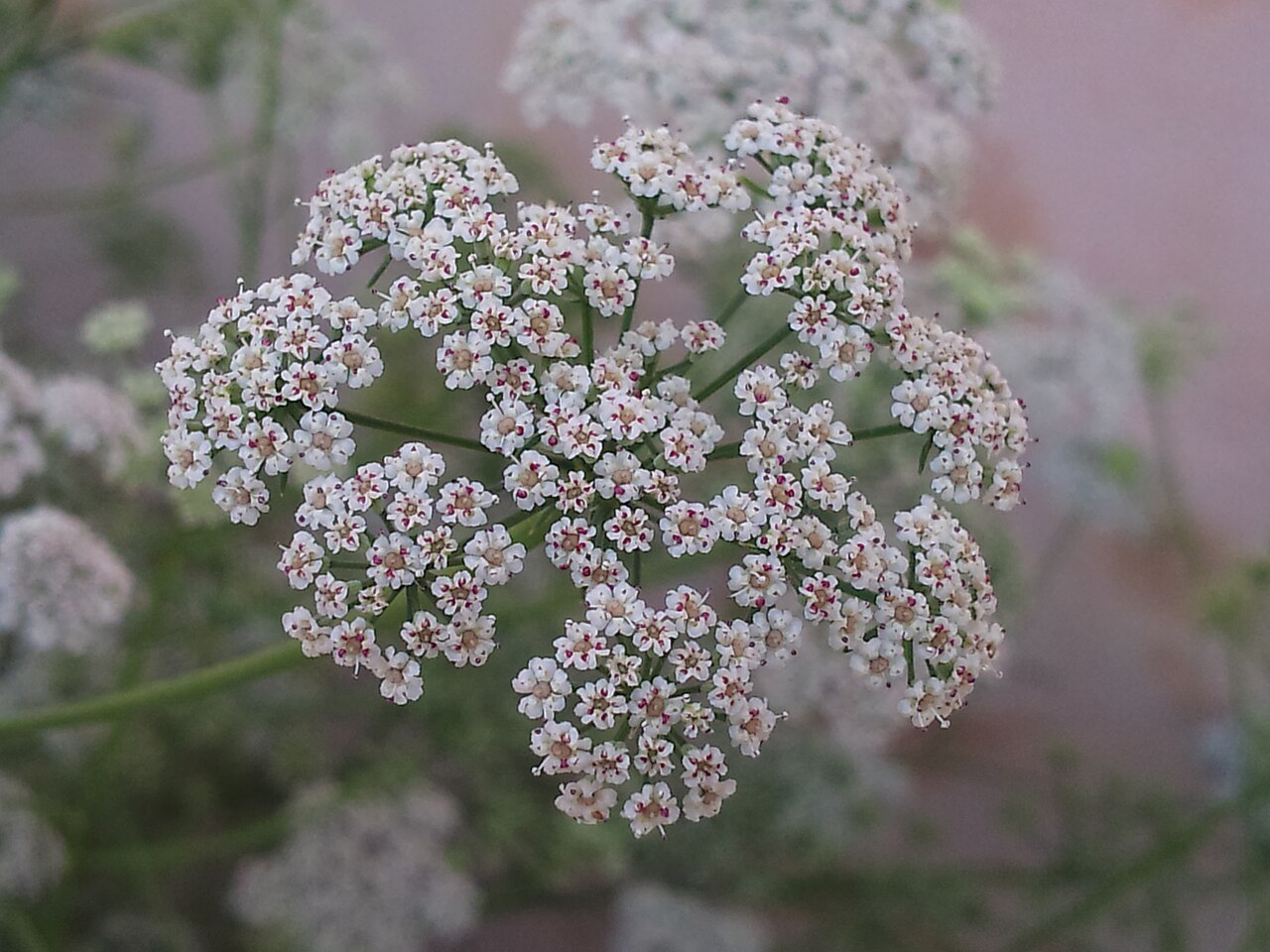
Carom Seeds: Essential Spice for Unique Flavor & Wellness
Often overlooked yet incredibly powerful, carom seeds – also known as ajwain seeds or bishop's weed – are a culinary and wellness marvel. These tiny, brown, sun-dried seeds, typically processed raw to preserve their potency, pack an astounding punch of flavor and potential health benefits that belie their diminutive size. Native to India, where they have been cherished for centuries, carom seeds offer a unique sensory experience, adding depth and character to dishes while also serving as a revered ingredient in traditional medicine. With a shelf life of approximately one year when stored correctly, these aromatic gems are a must-have for any adventurous cook or health-conscious individual looking to explore the rich tapestry of global spices.
The Distinctive Allure of Carom Seeds: Flavor Profile & Aroma
What truly sets carom seeds apart is their intensely aromatic and complex flavor profile. Far from bland, these seeds boast a warm, earthy, and slightly bitter taste, often with surprising undertones reminiscent of thyme or even a subtle citrusy zest. This distinctive pungency comes primarily from thymol, an essential oil that is also found in thyme and gives carom seeds their characteristic robust and somewhat medicinal aroma. Unlike the gentler warmth of cumin or the sweet earthiness of coriander, carom seeds deliver an immediate, assertive flavor that demands attention and, when used judiciously, elevates a dish to new heights.
The unique bitterness of carom seeds is not simply an unpleasant note; rather, it’s a sophisticated layer that can beautifully balance rich or heavy ingredients. It cuts through fattiness in meats, dairy, or lentils, providing a refreshing counterpoint that prevents dishes from tasting cloying. Their aroma, released most intensely when lightly toasted or crushed, is immediately recognizable – a warm, almost peppery scent that fills the kitchen and promises a memorable culinary experience. Understanding this intricate balance of warmth, earthiness, and bitterness is key to unlocking the full potential of carom seeds in your cooking, allowing you to harness their power without overwhelming other delicate flavors.
A Culinary Star: Integrating Carom Seeds into Your Kitchen
The versatility of carom seeds in the kitchen is truly remarkable, making them an indispensable ingredient in various culinary traditions, particularly Indian cuisine. Their strong flavor makes them a fantastic tempering spice, often added to hot oil or ghee at the beginning of cooking to infuse the entire dish with their characteristic aroma.
*
Indian Delights: Carom seeds are a staple in countless Indian preparations. They are frequently used in
dal tadkas (tempering for lentil dishes), where their sharp, digestive properties complement the hearty legumes. You’ll find them in vegetable curries, especially those featuring root vegetables like potatoes, carrots, or peas, adding a unique depth. They're also essential in popular fried snacks like pakoras, samosas, and various savory pastries, where they aid digestion and provide a delightful flavor contrast.
*
Bread Baking Magic: Beyond curries, carom seeds are excellent in baked goods. Sprinkle them generously over flatbreads like naan, roti, parathas, or poori before cooking. The seeds toast slightly, releasing their aroma and adding both flavor and a pleasing textural crunch. Experiment by adding them to savory muffins, crackers, or even a homemade focaccia for an unexpected twist.
*
Soups and Stews: A small amount of carom seeds can work wonders in simmering soups and stews, particularly those with a legume or vegetable base. Their warm, earthy aroma and subtle bitterness complement other ingredients, providing a grounding flavor that can transform an ordinary broth into something extraordinary.
*
Marinades and Rubs: Consider grinding carom seeds into a powder for use in dry rubs for poultry, lamb, or fish. Their robust flavor stands up well to stronger meats and can help tenderize while imparting a distinctive taste. They are also a fantastic addition to pickling spices, lending their unique profile to preserved fruits and vegetables.
*
Creative Culinary Twists: Don't limit carom seeds to traditional uses. Try sprinkling them over roasted vegetables like broccoli or cauliflower, adding them to savory pancake batter, or infusing them into salad dressings for a unique twist. Their ability to cut through richness also makes them an intriguing addition to creamy dips or cheese spreads.
For more inventive ways to incorporate this potent spice, explore
Carom Seeds: Unlock Earthy Flavor & Culinary Versatility.
Beyond the Kitchen: Traditional Wellness Applications of Carom Seeds
For centuries, carom seeds have been revered in traditional medicine systems like Ayurveda for their impressive range of potential health benefits. While scientific research is ongoing to fully substantiate these claims, the historical and anecdotal evidence points to carom seeds being much more than just a flavorful spice.
*
Digestive Aid Powerhouse: Perhaps the most celebrated benefit of carom seeds is their role as a digestive aid. The presence of thymol is largely responsible for this, as it helps stimulate the secretion of digestive enzymes and bile flow, which are crucial for efficient digestion. Carom seeds are traditionally used to alleviate common digestive discomforts such as indigestion, bloating, gas, and flatulence. Many believe chewing a small spoonful of carom seeds after a heavy meal can significantly reduce post-meal discomfort.
*
Antioxidant Properties: Like many potent spices, carom seeds are rich in antioxidants. These compounds help combat free radicals in the body, protecting cells from oxidative damage and potentially contributing to overall cellular health and reducing the risk of chronic diseases.
*
Respiratory Relief: In traditional practices, carom seeds are often used to address respiratory issues. Their strong aromatic compounds, particularly thymol, can act as a natural decongestant and expectorant. They are sometimes consumed in infusions or even inhaled as steam to provide relief from coughs, colds, and symptoms of asthma or bronchitis. The anti-inflammatory properties of carom seeds may also contribute to easing respiratory discomfort.
*
Potential Anti-inflammatory Effects: Beyond respiratory benefits, some compounds in carom seeds may possess anti-inflammatory properties, which could be beneficial for various conditions involving inflammation in the body.
*
Antibacterial and Antifungal Qualities: Early studies suggest that carom seeds may exhibit antibacterial and antifungal properties, potentially due to the presence of essential oils like thymol and carvacrol, which could help protect against certain pathogens.
While carom seeds offer a plethora of potential benefits, it's crucial to remember that they are a traditional remedy and not a substitute for professional medical advice or treatment. Always consult with a healthcare provider for any health concerns. To delve deeper into the wellness aspects of this remarkable spice, consider reading
Carom Seeds: Digestive Aid & Health Benefits Explored.
Mastering Carom Seeds: Practical Tips for Optimal Use & Storage
Incorporating carom seeds into your cooking and wellness routine is simple, but a few tips can help you maximize their flavor and efficacy:
*
Toast for Enhanced Flavor: To truly unlock the full spectrum of their flavor, lightly toast carom seeds in a dry pan over medium heat for 30-60 seconds until they become fragrant. Be careful not to burn them, as this will result in a bitter taste. Toasted seeds can then be used whole or ground.
*
Grind for Pastes and Marinades: For spice mixes, pastes, or marinades where you want the flavor fully integrated without the texture of whole seeds, grind carom seeds into a fine powder using a spice grinder or mortar and pestle. Freshly ground seeds are always more potent.
*
Start Subtle: Due to their strong and assertive flavor, carom seeds should be used sparingly, especially when you are first experimenting with them. A quarter to half a teaspoon is often sufficient for a dish serving 4-6 people. You can always add more, but you can't take it away!
*
Balance with Other Spices: Carom seeds pair wonderfully with spices like cumin, coriander, turmeric, and ginger. They can also complement the richness of ghee or butter beautifully.
*
Consider Their Form: While primarily used as whole seeds, carom seed oil is also available and concentrated, often used for topical applications or in very small quantities for specific health remedies.
*
Sourcing Quality Seeds: Look for carom seeds that are consistently brown in color, whole, and free from debris. The "raw" processing type and "sun-dried" method ensure much of their natural goodness is preserved.
*
Proper Storage: To maintain their potency and extend their shelf life (typically one year), store carom seeds in an airtight container in a cool, dark place, away from direct sunlight and moisture. This prevents them from losing their essential oils and distinctive aroma.
Conclusion
Carom seeds are much more than just a small, brown spice; they are a culinary treasure and a powerhouse of traditional wellness. Their unique warm, earthy, and slightly bitter flavor, with hints of thyme and citrus, makes them an invaluable addition to a wide array of dishes, from the heartiest Indian curries and lentils to savory baked goods and robust marinades. Beyond their culinary appeal, the potential health benefits, particularly for digestion and respiratory relief, solidify their place as an essential ingredient in many households. By understanding their distinct characteristics and following simple tips for use and storage, you can easily incorporate these budget-friendly yet profoundly impactful seeds into your daily life, unlocking a world of unique flavor and holistic well-being. Embrace the versatility of carom seeds and discover how this tiny spice can deliver big on both taste and vitality.